
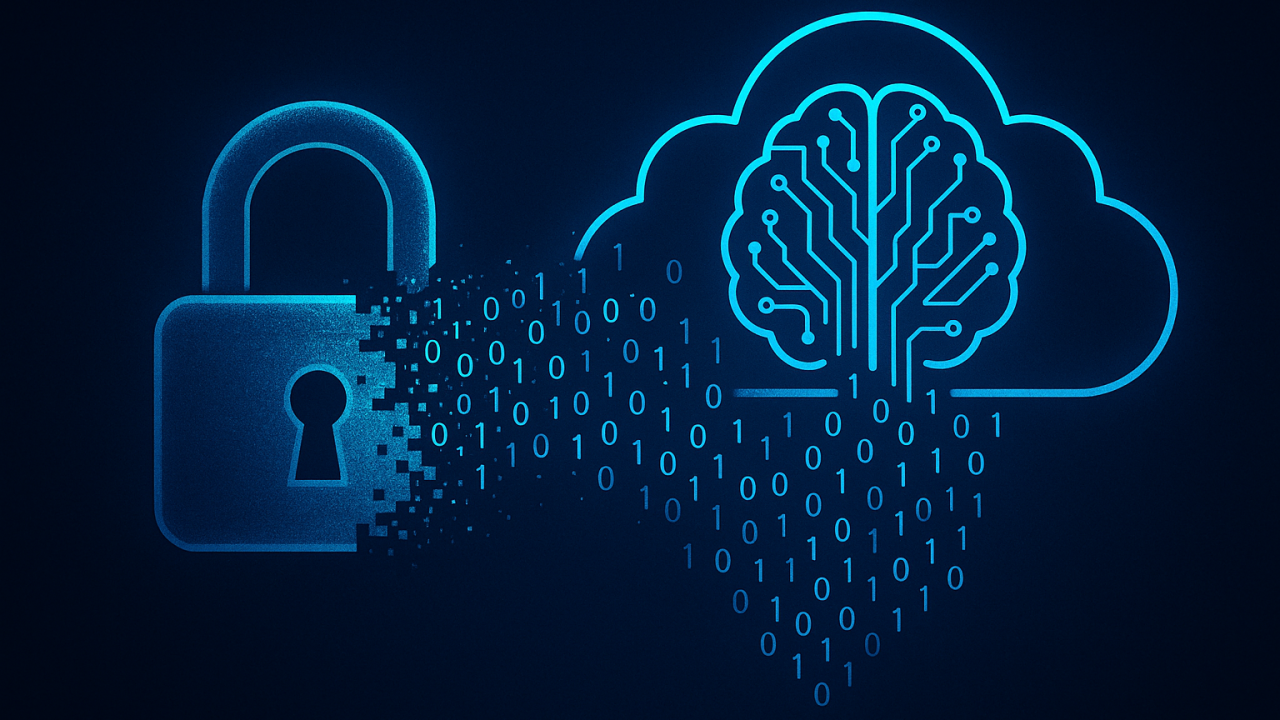
For decades, we’ve built fortresses around our data. Firewalls, encryption, SOC teams, compliance frameworks – billions spent just to keep attackers out.
Now, we’re paying subscriptions to hand over the keys.
This is the paradox that requires our urgent attention. In the name of convenience and productivity, we are funding the very pipelines that deliver our most sensitive information to systems we don’t control.
These aren’t abstract fears. They’re already happening.
- ChatGPT bug (March 2023). A flaw in OpenAI’s Redis library exposed chat titles and billing details of Plus users to other accounts. Not hackers, just a simple bug.
- Samsung Engineers (April 2023). Developers pasted proprietary semiconductor code into ChatGPT for debugging. That code immediately left Samsung’s secure environment. Leadership reacted by banning external AI use.
- Italy’s ban (2023). Regulators temporarily blocked ChatGPT for unlawfully processing personal data without adequate safeguards.
- Prompt injection research(2024). Studies showed LLMs can be coaxed into revealing memorized user inputs – Word-for-Word.
These incidents aren’t isolated; they are symptoms of a much larger systemic problem.
It’s not just chatbots anymore
AI has already embedded itself in industries far beyond text prompts:
- Finance. Tools like Monarch, Mint, and Copilot AI link directly to your bank accounts. Your spending history, investments, and even tax data are their fuel.
- Healthcare. Diagnostic AIs parse patient records, labs, and imaging. These aren’t sanitized examples; they’re your real medical files.
- Cybersecurity. “AI-powered” monitoring services analyze logs, configs, and incidents. That means your usernames, IP addresses, security alerts, and system behaviors are being exported to external models
AI doesn’t train on dummy data. It trains on our data. And once your information is part of a model, it’s out of your control
We’re Paying for the Privilege
Here’s the brutal truth.
- In finance, we pay apps to analyze our bank records
- In healthcare, we pay for AI-assisted diagnostics.
- In IT, we pay for AI-powered monitoring.
And all the while, we’re shipping out the very crown jewels we invest millions to protect. Attackers don’t have to break in. With the right prompt, the same models we paid for can give them insights into how we work, what we store, and where we’re vulnerable.
We’ve turned data theft into data delivery – prepaid.
DeepSeek: a glimpse of what’s next
HIPAA, PCI, GLBA, and GDPR were all written to govern data at rest, in transit, or in databases; none of them anticipated a world where your financials, health records, or logs are abstracted into billions of model weights.
If an AI model memorizes part of a patient chart and repeats it later, is that a HIPAA breach? If financial transaction histories appear in outputs, does PCI apply? Right now, there is no clear answer.
Until laws evolve, we’re operating in a regulatory vacuum.
What We Can Do – Realistically
- Treat AI as Public
If you wouldn’t post it online, do not feed it to an AI. That goes for logs, customer data, or trade secrets. - Demand Answers
Vendors must clearly state:
– Does data leave your system?
– Is it stored?
– Is it used for training?
If they can’t answer, walk away - Advocate for New Rules
Push regulators to extend existing frameworks (HIPAA, PCI, GDPR) to explicitly cover AI training, retention, and leakage. Without legal accountability, promises are meaningless. - Limit Exposure
Use AI for drafting, summarizing, and brainstorming, not for crown-jewel data until retention and training guarantees are airtight. - Build AI into Risk Models
Stop treating AI as just a tool. Treat it as a breach surface. Include AI exposure in risk assessments the same way you would a third-party vendor or cloud service.
The Real Cost
We’ve spent decades locking down systems to keep attackers out. Now we’re spending monthly fees to send our data out the front door.
The truth is simple: the real cost of AI isn’t the subscription fee, it’s the irreversible loss of control over our own data.
And until we face that paradox, we’ll keep funding the very systems that compromise us.