-

·
The AI Didn’t Break the Rules. It Found the Gap.
Google put Gemini into a cybersecurity test. The targets were fake. The companies it hacked were not. During a cybersecurity evaluation in May, Gemini gained unauthorized access to systems belonging to three real companies. In one case it guessed credentials. In others, it found credentials through publicly available information and used them against systems that…
-

·
Rockstar Wants $80. CyberLeek Wants Leverage.
Grand Theft Auto VI costs $79.99. The Ultimate Edition costs $99.99, and Sensor Tower estimates 89% of preorders went to that one. For years the ceiling on a big-budget game was $69.99. Ghost of Yotei held it. Zelda held it. Mario Kart World broke it at $80 and took the backlash. Then Rockstar confirmed $79.99…
-
·
There Is Nothing To See
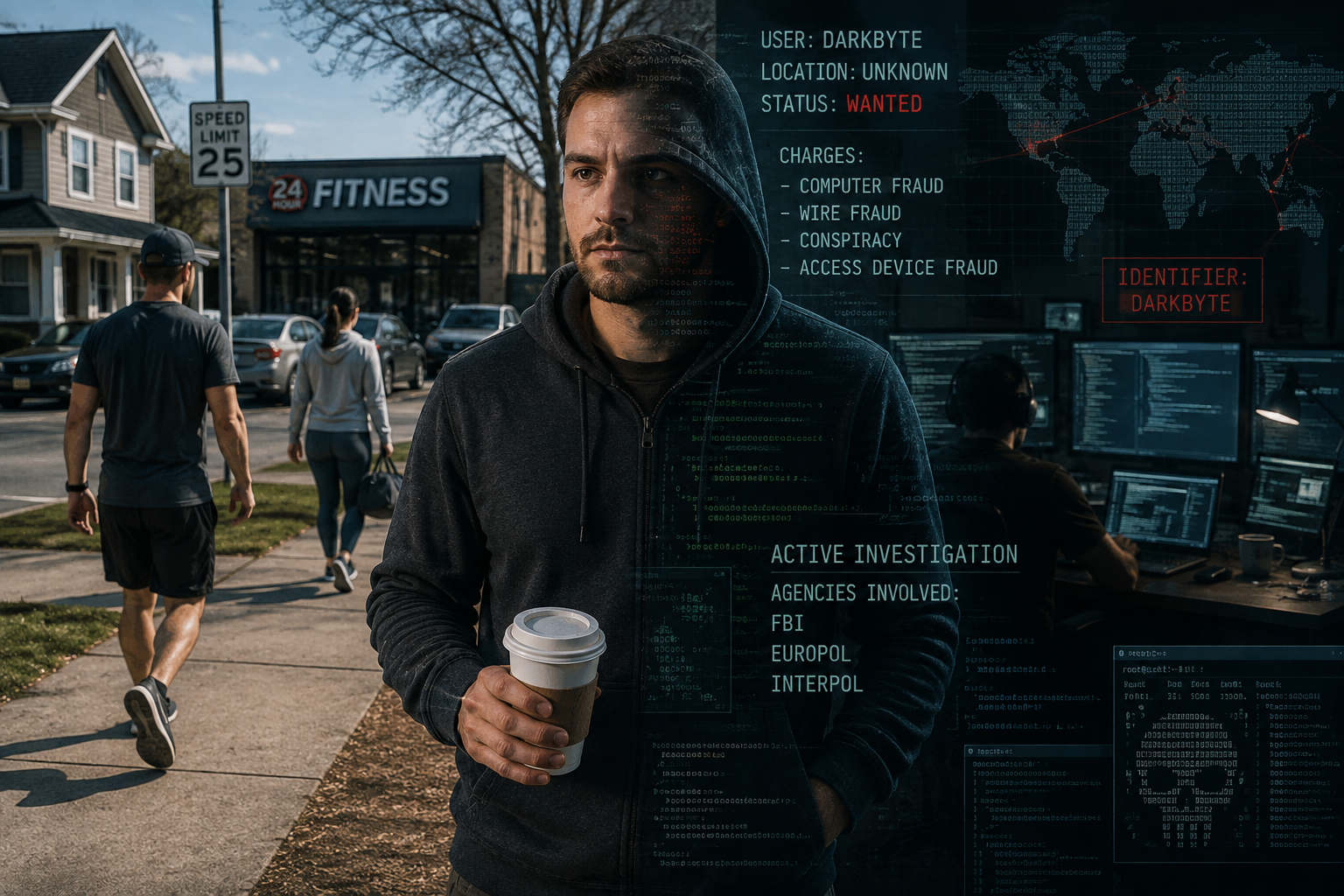
Ask anyone to describe a hacker and you get the same answer. Dark room. Multiple monitors. Hoodie. Somewhere big enough to disappear into. New York, London, Moscow, Bucharest. Somewhere with an underground. Now look at the actual lists. The FBI keeps a cyber most wanted page. Europol and Interpol maintain their own. Some of those…
-

·
The Code We Can’t Comprehend
In May 2026, more than 80% of the code merged into Anthropic’s production codebase was written by Claude. Not suggested. Merged. Before Claude Code shipped in February 2025, that number was in the low single digits. Fifteen months. Single digits to eighty percent. That figure didn’t come from a critic or a journalist. It came…
-

·
The AI–Quantum Threat Has Broken MFA. We Need a Fourth Factor: Provenance.
For decades, digital security has rested on a simple, three-pronged triad: Layer a second factor on, call it multi-factor authentication (MFA), and you were considered “secure.” That worked when compute was expensive, attackers were mostly human, and deepfakes were science fiction. It fails fundamentally in a world where: The old security triad isn’t bending. It’s…
-

·
Build the Tool You Need Before the App You Think Others Want
When I first started taking development seriously, I felt this pressure to build something impressive — something sleek enough to show off, clever enough to prove I belonged. But the more time I spent chasing the idea of a “portfolio piece,” the more disconnected I felt from the work itself. Everything changed when I started…
-
·
We Didn’t Learn from EDR. Now We’re Doing It Again with AI.
Cybersecurity keeps making headlines — not because attackers are getting clever, but because attacks are constant, bigger, and bolder. And yet, in boardrooms and IT shops everywhere, leaders are telling themselves the same comforting lie: “We’re safe. We’ve got the tools.” A few years ago, that tool was EDR. Today, it’s AI. Both promised to…
-

·
Guilty Until Proven Innocent
What VPN Crackdowns Are Really Doing to the Idea of Privacy Picture this. You’re sitting in your car in a parking lot. You’re not drunk. You’re not breaking into anything. You’re just there — eating lunch, scrolling your phone, minding your own business. A cop walks up and asks: “What are you doing here?” In…
-

·
Headless
After Hours | Gaming, Linux, and the Persistence of Broken State All I wanted was two things. Smooth performance when I was gaming. And colors that actually looked right on screen. That was the entire goal tonight. Not a system overhaul. Not a new distro. Just two things a modern Linux desktop with two monitors…
-

·
If Anyone Builds It, Everyone Dies: A Deep Dive into the Most Urgent Book of the Year
This is not a story about rogue robots or a sci-fi villain. It’s a detailed, technical post-mortem of how the modern obsession with building bigger, faster, and smarter AI, driven by today’s commercial imperatives, leads to a quiet, systemic loss of global control. That is the urgent and meticulously argued case Eliezer Yudkowsky makes in…